


Exc. GST
Including GST
India’s Semicon Wave Needs ‘Skills’ Anchor
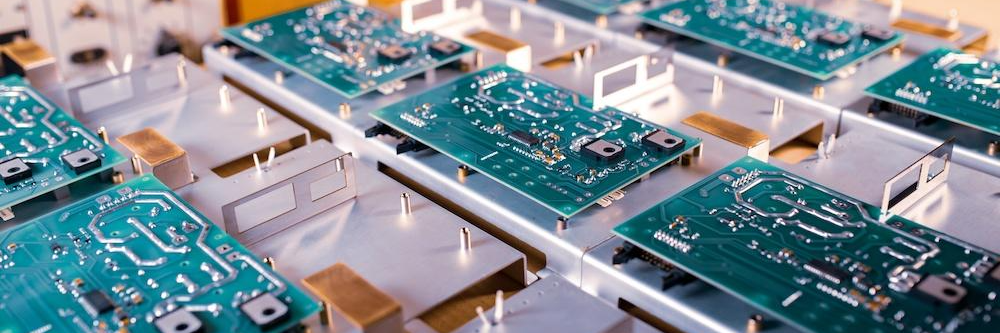
As India leads the charge in this progressive journey, cultivating a specialised skill set becomes paramount. The focus is now on discovering or nurturing expertise in chip design, testing, and packaging to meet the industry's accelerating demands.
The semiconductor industry in India has possibly entered a golden age, driven by favourable market conditions and a surge in demand for electronics. The country finds itself riding the crest of the 'Semicon Wave,' propelled by the rapid rise of technology. Deloitte's 2023 semiconductor industry outlook report further solidifies this technological boom, projecting the global semiconductor chip industry to reach a staggering USD 1 trillion in revenues by 2030.
As India leads the charge in this progressive journey, cultivating a specialised skill set becomes paramount. The focus is now on discovering or nurturing expertise in chip design, testing, and packaging to meet the industry's accelerating demands.
According to a report by Talent 101, highlighted by Prashant A Bhonsle, founder at Kuhoo, the global semiconductor industry is poised to demand over one million skilled professionals by 2025. Notably, India itself is projected to require a minimum of 1.5 million skilled semiconductor workers by 2026-2027. These staggering figures underscore the pressing need for a well-trained and qualified workforce to sustain and thrive in the booming semiconductor sector.
Speaking with BW Businessworld, Bhonsle stressed that given India’s strong education system and young population, the country has a great scope if its trains the ECE and CE graduates for the semiconductor industry. “It will help us to emerge as one of the strongest countries to produce trained and skilled talent for the industry,” he said.
On similar lines Ashish Aggarwal, MD, Acube Ventures shared that the campus connects, redesigned curriculum and practical learning programmes can help to bridge the skill gap. Since a recent report by the Indian Semiconductor Association suggests that only 2 per cent of engineering graduates in India can fit into the semiconductor industry, Aggarwal's recommendation is extremely apt.
“It is important to push the nation at the forefront of the semiconductor market by promoting collaborative efforts among academics, industry, as well as government,” he added.
The Deloitte 2023 semiconductor industry study referenced earlier also highlighted the shortage in Indian semiconductor talent, which was at a weak point last year. It also predicted the worsening situation this year as the local chip-making race catches speed further exacerbating the shortage of skilled talent. In 2023, the semiconductor companies are expected to speed up hiring people with diverse skills for both building and automating manufacturing facilities, the report added pinning optimism on the semiconductor majors’ focus on chip design and tools talent.
Commenting on the organisations role in developing the Semicon talent Sachin Alug, CEO at NLB Services said, “It’s crucial for companies to collaborate with academic bodies to train aspiring professionals and come up with modules, frameworks and curriculums to solidify the new tech future.”
“Creating a skilled workforce for the growing semiconductor industry in India is of paramount importance for several reasons,” said Manikanth Challa, founder and CEO – Workruit. “Firstly, a skilled workforce enhances innovation and research capabilities. Secondly, a skilled workforce attracts foreign investments and thirdly, a skilled workforce contributes to a self-reliant ecosystem.”
Rahul Ahluwalia, Co-founder of FED (Foundation for Economic Development) said, “India should focus on building scale and high-volume exports at the other end of the value chain like electronics assembly and components, while simultaneously institutionalising strong industry-academia channels. Large-scale assembly and components manufacturing will create opportunities for both low-skilled labour as well engineering graduates, Ahluwalia suggested.”