


Exc. GST
Including GST
ALTERNATIVE ENERGY: HOW TO MAINTAIN WIND TURBINES
ALTERNATIVE ENERGY: HOW TO MAINTAIN WIND TURBINES



Weather conditions play a significant role in the challenges of maintaining wind turbines, particularly when it comes to blade repairs. Adverse weather, including strong winds, rain, or snow, can seriously disrupt maintenance plans, which directly impacts the efficiency of the turbine and its total energy production. Furthermore, there is an additional level of difficulty in physically reaching these towering structures. To do close inspections and create repair plans, technicians usually need rope access. This method adds time to the process and increases the danger involved in carrying out these crucial maintenance operations. Doing so in difficult weather presents a significant hurdle.
The most frequently encountered issues in wind turbines involve the failure of critical components such as bearings, blades, gearboxes, and generators. These components are necessary for the turbines to run smoothly and efficiently. Thus routine inspections are required to prevent unplanned malfunctions. Furthermore, yaw brake replacement comes with its own set of difficulties.
Because of their large weight and the height at which they are positioned, these brakes—which are essential for pointing the turbine in the direction of the wind—are very challenging to operate. There will be a great deal of downtime and related expenses throughout the replacement procedure since it calls for specialised tools and strict safety precautions. When taken as a whole, these variables show how difficult it is to maintain the best possible turbine functioning and dependability.
An important part of maintaining wind turbines is having consideration for the environment, particularly when it comes to problems like glazing – the build up of dirt – rust, and moisture on yaw braking discs, which can cause noise pollution and potentially disturb local wildlife and residents. In addition, there is a possibility of environmental pollution and health concerns for maintenance staff when yaw brake dust is released during maintenance.
Logistically, heavy equipment and staff transportation is made more difficult by the remote locations of many wind farms, especially during rough weather. These elements increase the risk and expense as well as duration and cost of maintenance procedures. Another layer of difficulty in sustaining these vital energy resources is that personnel must continuously refresh their knowledge and safety training to appropriately manage new technology as turbines get bigger and more sophisticated.
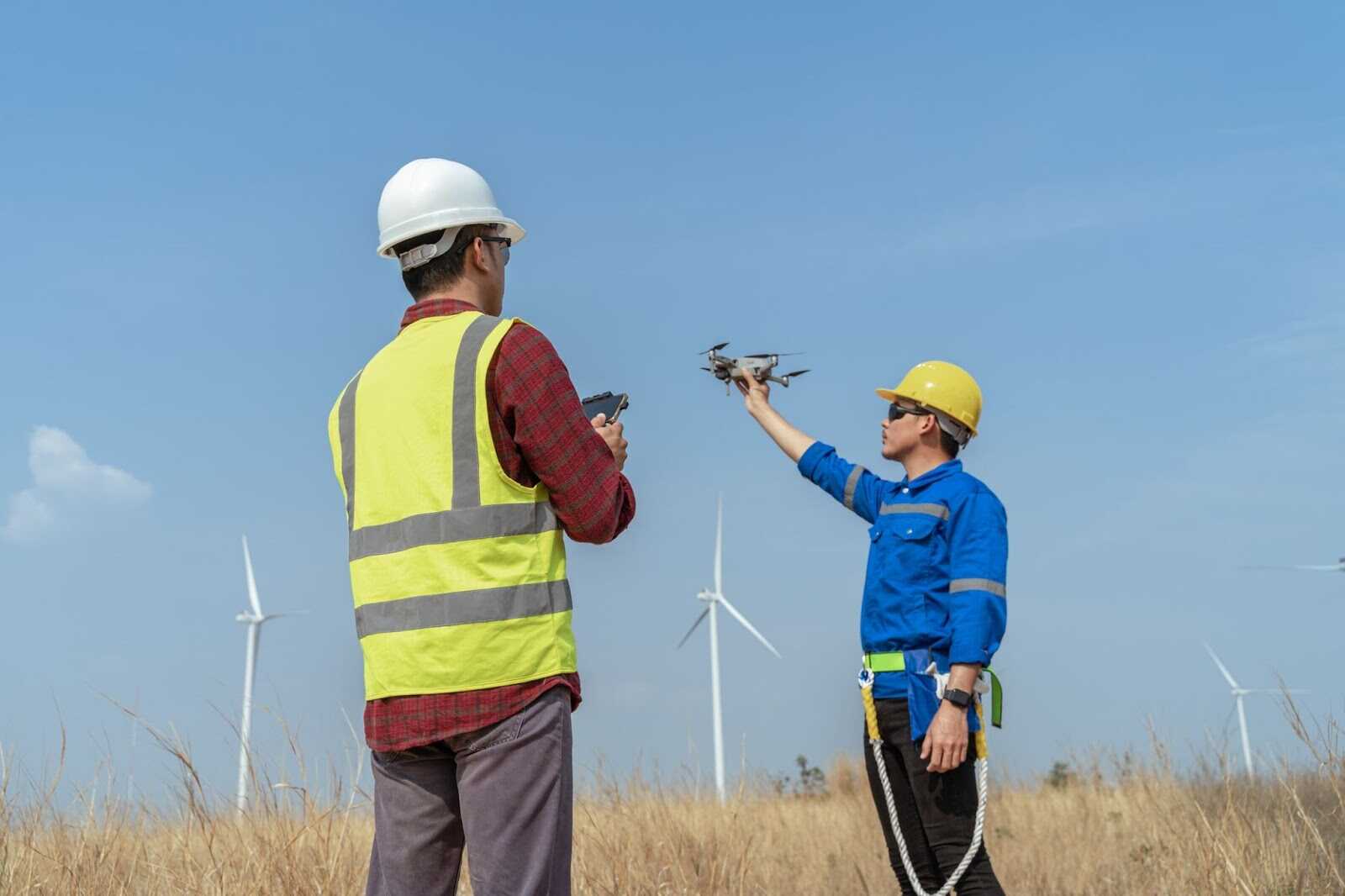
With advanced technologies like IoT, AI and automation, there are multiple innovative ways in which maintenance can be conducted. Some of these technologies include:
Condition Monitoring Systems (CMS) plays a pivotal role in the proactive maintenance of wind turbines by employing advanced sensors to continuously monitor the operational parameters of various turbine components. This real-time data-collecting system is essential for evaluating the turbine’s overall health. CMS can assist in anticipating maintenance needs prior to breakdowns, reducing expensive downtime and prolonging the turbine’s lifespan. It does this by analysing data patterns and spotting abnormalities in component behaviour. Moreover, CMS’s insights enable more focused and effective maintenance scheduling, matching interventions exactly to the turbine’s requirements based on real operating circumstances rather than preset plans.
Wind turbine maintenance has been transformed by drone technology and automated inspection systems, especially when it comes to doing thorough and effective blade inspections. These techniques offer a safer and more affordable substitute for traditional manual inspections, which are frequently dangerous and time-consuming. Even in adverse weather or in isolated areas that are hard for human personnel to reach, drones fitted with high-resolution cameras and sensors can swiftly and precisely gather data on the state of turbine blades. This minimises the downtime needed for inspections while also lowering the danger to maintenance staff.
Furthermore, automated systems are able to evaluate the data in real-time and provide accurate diagnostics that provide prompt and well-informed maintenance choices, thereby increasing the operating efficiency and lifespan of wind turbines. Drones can also be used in collaboration with digital twins, which would create a virtual representation of the wind turbines, simulating and analysing conditions without physical interference.
Author Jack Portley